
Trumpin 'suuri sopimus' vai Iranin käänne – osakemarkkinoiden nousut pyyhkiytyivät pois
Tekoälysentimentti: 18/100 Laskusuunta
Tämä pistemäärä luodaan tekoälyllä toteutetulla analyysillä artikkelin sisällöstä.

palvelun tarjoaa

Osta altistusta WTI:lle (USO tai NYMEX WTI -futuurit), sillä Trumpin kieltäytyminen jatkaa 14 päivän Iranin tulitaukoa ja uhka “pommien jatkamisesta” hinnoittelee uudelleen Hormuzinsalmen eskalaatioriskin ja työntää öljyä takaisin kohti/ylitse 90 dollarin tasoa. Energia toimii varoitusmerkkinä ja inflaatioimpulssi painaa syklisiä sektoreita, pitäen raakaöljyn kysynnän korkeana tulitauon umpeutuessa.
Keskeinen riski: Tulitauon jatkaminen tai uskottava de-eskalaation ilmoitus, joka romahduttaa eskalaatiopreemion ja ohjaa WTI:n takaisin alle 90 dollarin.
Myy kuljetus- ja teollisuuden syklisiä yhtiöitä, jotka ovat kaikkein herkkiä öljy- ja laivausriskeille (esim. XLI/industrials ETF tai yksittäisten nimien kuten UPS/FDX lyhyeksi meneminen). Artikkeli korostaa välitöntä painetta WTI:n piikin takia; kun risk-off hallitsee ja inflaatiopelot kasvavat, kertoimien puristuma pitäisi iskeä näihin ryhmiin nopeammin kuin laajaan markkinaan.
Keskeinen riski: Öljy palautuu nopeasti keskimääräiselle tasolle ja makrotunnelma vakautuu, estäen syklisten tulos- tai kertoimeen kohdistuvan vahingon.
- Presidentti Trump uhkaa palata Iranin pommittamiseen ilman sopimusta.
- Yhdysvaltain osakeindeksit romahtavat, kun geopoliittiset jännitteet leimahtavat uudelleen kaupankäynnin aikana.
- Nousevat öljynhinnat ruokkivat pelkoja globaalista energiakriisistä.
The buoyant optimism that characterized the start of the April 21st trading session “evaporated” by midday, leaving Wall Street drenched in red as geopolitical concerns returned with a vengeance.
After the Nasdaq briefly touched a fresh record high in early trading, the major indices took a sharp u-turn, weighed down by a toxic cocktail of diplomatic uncertainty and hawkish rhetoric from the White House.
Investors who’d been betting on a “de-escalation” in the Middle East were forced to recalibrate as the clock ticked toward the expiration of a critical 14-day ceasefire between the United States and Iran.
What made the markets turn red on Tuesday?
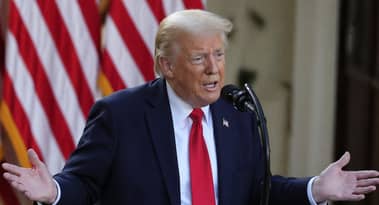
The primary catalyst for the afternoon slide was President Donald Trump’s candid, “high-stakes” interview with CNBC.
In a move that sent shockwaves through global trading floors, the President explicitly said he had no intention of extending the ceasefire, which is set to expire on Wednesday.
“We don’t have that much time,” Trump remarked – asserting that the US is currently in a “very strong negotiating position.”
He even coupled this with a chilling warning that the US will resume bombing should Tehran fail to agree to a “great deal” immediately.
This immediately spiked the CBOE Volatility Index (VIX), which rose over 5%, as market realized the peace dividend it had priced in recently was built on shaky ground.
Energy markets and the Strait of Hormuz standoff
Energy markets acted as the “canary in the coal mine” during the session’s reversal.
While oil prices had “softened” in Asian trade on hopes of successful mediation in Islamabad, the President’s hardline stance sent West Texas Intermediate (WTI) crude surging back toward the $90 mark, a 4.6% intraday jump.
Brent crude followed suit, nearing $98 as traders braced for the possibility of a permanent blockade or military escalation near the Strait of Hormuz.
Because roughly 21% of global petroleum liquids pass through this strategic chokepoint, the threat of renewed hostilities isn’t just a regional concern – it’s a global inflationary trigger.
The sudden spike in energy futures put immediate pressure on transport and manufacturing stocks, further dragging the S&P 500 into negative territory.
The fog of war in Islamabad
Adding to the market’s “whiplash” was the conflicting information regarding the proposed peace talks in Pakistan.
While rumours swirled that Vice President JD Vance was prepared to depart for Islamabad to meet with Iranian Parliament Speaker Mohammad Bagher Ghalibaf, the White House later confirmed Vance remained in Washington.
Iranian state media simultaneously denied that any delegation was even being sent, creating a “fog of war” that left investors flying blind.
This diplomatic stalemate, combined with Kevin Warsh’s cautious testimony before the Senate Banking Committee regarding the Federal Reserve's future, created an environment where “risk-off” became the only logical play.
By afternoon trading, the initial gains of the morning may feel like a distant memory, replaced by the grim realization that the path to a deal may be paved with further volatility.
Dow sulki 270 pistettä, kun vahva työllisyys nosti Fedin syyskuun koronnosto-odotuksia
Iltayhteenveto: Trump painostaa Fediä – Yhdysvaltojen työpaikat nousussa, kulta laskussa
Applen osake laskee 2 % – taittuvan iPhonen tuotannossa toimitushaasteita

Tesla-osake laskee 6 %, kun Cybercab-lanseeraus kohtaa analyytikko- ja sääntelyhuolia
AMD-osakeennuste: miksi tämä Nvidian kilpailija on lähellä läpimurtoa
Tuloksia ei löytynyt
Ladataan artikkeleita...
Failed to load articles. Please try again.