
Vil Apple-aksjen holde seg etter signaler om høyere iPhone-priser?

AI-sentiment: 35/100 Bearish
Denne poengsummen genereres gjennom KI-drevet analyse av artikkelens innhold.

drevet av

Kjøp Apple (AAPL). Cooks vurdering om at prisøkninger er "uunngåelige" indikerer at Apple vil beskytte etterspørselen ved å selektivt øke prisene på high-end iPhone-modeller samtidig som basismodellene holdes stabile — akkurat det BofA modellerer (Pro/Pro Max +$200 samlet premie). Apples nylige styrke i iPhone/Mac og fordelen i Kina fra relativt stabile priser tyder på at selskapet kan føre kostnadene videre bedre enn konkurrentene. Stabilitet i tjenestemarginene gir en nedsidepute hvis hardware-marginene svekkes.
Nøkkelrisiko: Forbrukere nekter å akseptere høyere iPhone-priser og oppgraderingsfrekvensen faller raskere enn Apple kan kompensere med produktmiks og tjenester.
Kjøp Micron Technology (MU). Artikkelen peker på DRAM-mangel og et potensielt +83% hopp i DRAM-priser for high-end smarttelefoner dette kvartalet. Apples kostnadssmerte er et markedssignal: AI-drevet maskinvareetterspørsel strammer inn minneforsyningen, noe som bør gi MU økt prissettingsmakt og inntjeningsløft sammenlignet med mer diversifiserte minneaktører.
Nøkkelrisiko: Minneprisene når en topp raskt (forsyningskapasitet bygges opp eller etterspørselen bremser), noe som knuser MUs prisdynamikk.
- Apple signaliserer prisøkning ettersom AI-drevet chipkostnadssurge rammer globalt.
- Investorer vurderer etterspørselsrisiko etter Apples signaler om prisendringer.
- Høyere minnekostnader kan presse marginer og påvirke Apple-aksjens utsikter.
Apple Inc. shares are drawing fresh investor attention after Chief Executive Tim Cook signaled that rising memory and storage costs could force the company to increase product prices, raising questions about how it will affect consumer demand.
Cook told The Wall Street Journal that escalating component costs tied to AI-driven demand for semiconductors have made it increasingly difficult for the company to maintain its pricing strategy.
"Unfortunately, price increases are unavoidable," Cook told the newspaper.
The remarks come as Apple prepares to launch a new product lineup later this year, including, reportedly, its first foldable iPhone alongside the iPhone 18 Pro and Pro Max models in September.
Rising memory costs pressuring Apple’s pricing strategy
Apple has benefited for years from its ability to negotiate with suppliers and keep retail prices relatively stable, even as component costs fluctuated.
That approach has supported steady demand across key product categories, including iPhone and Mac.
Second-quarter iPhone and Mac sales came in above analyst expectations, with demand holding steady across key product categories.
Separate data indicate that Apple also benefited in China, where its relatively stable pricing helped boost demand as some competitors moved to raise prices.
However, Cook indicated that supply-demand imbalances in memory and storage chips are now becoming harder to manage.
"We're doing our best to mitigate the huge increases that are being passed to us, and we've been trying to shield our customers from the increases, but the situation has become unsustainable," Cook said, according to The Wall Street Journal report.
He added that memory pricing and supply remain central concerns.
"There's less supply at a time when consumers want devices and the memory guys are passing along huge price increases," Cook said. "We definitely need memory pricing and supply to return to reasonable levels for consumer products. That's the bottom line."
Market research firm TrendForce estimates that DRAM used in high-end smartphones could rise as much as 83% this quarter compared with the prior period, underscoring the severity of cost pressures driven by artificial intelligence-related demand for hardware.
Analysts see pricing shift with mixed implications for margins
The potential for higher prices comes as Wall Street begins adjusting forecasts for Apple’s hardware segment.
BofA Securities reiterated a Buy rating and $380 price target on the stock, while raising its iPhone Pro and Pro Max pricing assumptions by $100 following Cook’s comments.
The firm had already assumed a $100 increase previously, bringing the total expected premium on high-end models to $200.
Base model pricing assumptions remain unchanged.
BofA also increased its pricing expectations for Mac and iPad, though it slightly reduced demand estimates across product categories.
The firm projects roughly 100 basis points of gross margin headwind in Apple’s products division, partially offset by supply chain efficiencies and materials improvements.
Services margins are expected to remain stable, with potential upside.
The $380 target implies roughly 28% upside from current levels, with Apple valued at about $4.35 trillion.
Analysts say a key near-term question is whether consumers will absorb additional price increases, particularly if macroeconomic conditions weaken.
Apple shares have risen nearly 50% over the past year, including a 20% gain since April.
The stock’s momentum has been supported in part by strong demand trends, even as broader industry conditions tighten due to AI-driven demand for memory and storage components.
At the same time, competitors including HP Inc., Dell, Sony, and Nintendo have already moved to raise prices, highlighting a broader industry shift.
Investors are now weighing whether Apple’s pricing power will hold under rising input costs or whether margin pressures and softer demand could temper its recent gains, particularly as the company approaches its next major product cycle.

SCHD-ETF-rallyet har stoppet opp — risiko øker til tross for sterke innstrømninger

Bloom Energy-aksjen stiger 8 % etter S&P 500-inkludering, økt investorinteresse

ALLW: Er Ray Dalios All Weather-fond et godt ETF-kjøp i dag?

SpaceX-aksjen kan få massivt kjøp ved Nasdaq 100-omvektning: vil SPCX stige?
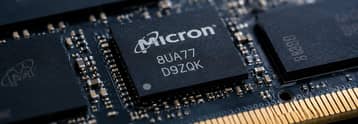
Micron-aksjen: En spent fjær klar til å slå til før resultatene?
Ingen resultater funnet
Laster artikler...
Failed to load articles. Please try again.