
MidEast energy output loss may take 2 years to recover: IEA
AI Sentiment: 18/100 Bearish
This score is generated through AI-driven analysis of the article's content.

powered by

Buy front-month Brent crude futures (or Brent CFD). IEA flags ~2-year recovery to pre-war levels and a fresh supply gap: “no new tankers loaded in March” and no new deliveries to Asia. That combination tightens prompt supply and keeps the curve bid, with elevated volatility likely persisting.
Key Risk: Strait of Hormuz reopens quickly with sustained new tanker loadings, collapsing the prompt supply gap and driving Brent back toward normal carry.
Buy Singapore/Asia middle-distillate exposure via 3-2-1 crack spread (or equivalent distillate crack ETF/CFD). Second-order: the March “no new deliveries” hits feedstock availability first, tightening distillate supply into Asia while crude may be partially hedged by earlier shipments—compressing inventories and widening cracks even if headline crude stabilizes.
Key Risk: Crude inflows resume and Asian product imports surge, normalizing distillate balances and crushing crack spreads.
- Middle East energy output may take two years to recover.
- Strait of Hormuz closure risk could drive prices higher.
- IEA ready to act on emergency oil reserves if needed.
Global energy markets are entering a period of prolonged uncertainty as supply disruptions linked to the Middle East conflict begin to deepen, with recovery expected to take years rather than months.
The warning comes from Fatih Birol, who said the full impact of the crisis is only now starting to emerge.
Birol, who heads the International Energy Agency, said in an interview with the Neue Zuercher Zeitung newspaper that the recovery timeline will vary across countries.
However, the overall outlook remains prolonged.
"That will vary from country to country. In Iraq, for example, it will take much longer than in Saudi Arabia. However, we estimate it will take approximately two years overall to reach pre-war levels again," Birol said, as cited in a Reuters report.
His remarks highlight the uneven pace of recovery across major oil-producing nations affected by the ongoing conflict.
Strait of Hormuz disruption seen as key risk
Birol further warned that markets may be underestimating the potential consequences of a prolonged disruption in the Strait of Hormuz.
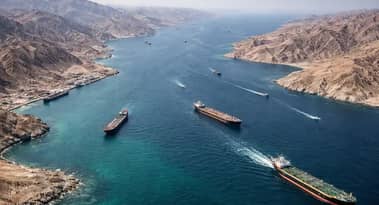
The waterway is a critical route for global oil and gas shipments, and any extended closure could significantly disrupt supply chains.
According to Birol, the immediate impact of the conflict has been partially cushioned by shipments that were already en route before hostilities escalated in Iran.
These deliveries have now reached their destinations, temporarily easing supply concerns.
However, he pointed to a growing supply gap that is beginning to emerge.
"But no new tankers were loaded in March. There were no new deliveries of oil, gas, or fuels to Asian markets. This gap is now becoming apparent. If the Strait of Hormuz is not reopened, we must prepare for significantly higher energy prices," Birol said, as reported by Reuters.
Supply gaps begin to surface in global markets
The absence of new shipments in March has started to expose vulnerabilities in global energy supply, particularly in Asian markets that rely heavily on imports from the Middle East.
Birol’s comments suggest that while short-term disruptions were masked by earlier shipments, the lack of fresh supply is now becoming more visible.
This emerging gap could tighten global markets and increase price volatility if supply routes remain constrained.
IEA considers further emergency action
Birol also addressed the possibility of additional intervention by the IEA through emergency oil stock releases, following a move in March.
When asked whether the agency could initiate another release, he indicated that the option remains under active consideration.
His statement signals that while no immediate action has been taken, the agency remains prepared to respond if market conditions worsen.
Outlook remains uncertain
The comments from the IEA chief underscore ongoing uncertainty in global energy markets.
Recovery timelines remain unclear, and much will depend on how the geopolitical situation evolves, particularly around key supply routes.
For now, the combination of delayed production recovery, disrupted shipping routes, and emerging supply gaps points to continued pressure on global energy prices in the near term.

US jobs rebound in August with 162,000 payrolls increase: is a Fed rate hike coming?

US jobless claims rise slightly as labor market remains in slow hire, slow fire phase

US layoffs jump 58% in August over July, but remain lowest for the month since 2022

US private payrolls rise just 38,000 in August as hiring momentum weakens: ADP

US job openings rise modestly in July but employers pull back on hiring
No results found
Loading articles...
Failed to load articles. Please try again.