
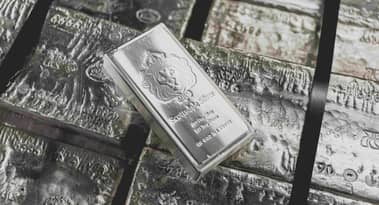
Silver rockets near $70 as bulls chase fresh breakout signals
AI Sentiment: 78/100 Bullish
This score is generated through AI-driven analysis of the article's content.

powered by

Silver is breaking higher toward ~$70 on two catalysts: (1) peace-driven oil relief is cooling inflation fears and real-yield expectations, and (2) a persistent physical supply deficit (Silver Institute: ~67Moz deficit in 2026) plus rising physical investment demand. This combo supports upside momentum as long as yields stay contained.
Key Risk: Warsh turns hawkish—rates/inflation language pushes real yields up and the dollar strengthens, crushing silver’s non-yielding appeal.
If silver keeps rallying, miners typically amplify the move via operating leverage to metal prices. With silver’s deficit backdrop, the market is more likely to sustain higher prices long enough for earnings revisions and improved sentiment toward the group.
Key Risk: Silver price reverses fast on a hawkish Fed/dollar spike, and miners’ leverage turns into rapid drawdowns before fundamentals catch up.
- Silver rises near $70 as US-Iran deal hopes ease inflation fears.
- Warsh Fed debut keeps traders cautious as silver extends its rally.
- Supply deficit and investment demand add support to silver rally in 2026.
Silver rose for a fifth straight session on Wednesday as investors treated the emerging US-Iran peace framework as a fresh reason to reassess inflation and interest-rate risks.
Spot silver traded around $70.40 an ounce in Asian hours, extending a recovery that has followed a sharp retreat in crude prices.
The move is not simply a haven bid. Lower oil prices have reduced fears that the Middle East conflict will keep energy costs elevated, while traders are waiting to see whether Kevin Warsh’s first Federal Reserve meeting as chair confirms a less aggressive path for policy.
Oil relief lifts metals sentiment
The immediate driver for silver is the changing energy backdrop.
US and Iranian officials have signalled that an interim agreement could be signed in Switzerland on Friday, with the framework aimed at reopening the Strait of Hormuz and allowing Iranian oil to return to international markets.
That prospect has pushed crude towards multi-month lows and softened the rate-hike story that had weighed on non-yielding assets.
“The pullback in oil prices has eased some upward pressure on interest rates and cooled rate-hike expectations,” Ilya Spivak, head of global macro at Tastylive, told Reuters.
Silver has benefited from the same logic as gold: when expected real yields fall, the opportunity cost of holding precious metals declines.
Trading Economics noted earlier this week that silver had jumped towards $71 after the peace announcement eased fears over energy-driven inflation.
Fed tone still holds the key
The rally remains vulnerable to the Fed’s message.
The US central bank is widely expected to hold its benchmark rate at 3.50%-3.75%, leaving investors focused on the statement, projections and Warsh’s press conference.
Markets have cut some of their more hawkish bets since the peace headlines, but they have not abandoned the risk of another increase this year.
That makes the language around inflation especially important.
A firmer message from Warsh could steady the dollar and cap further gains in silver, while a more patient tone may keep buyers in control.
Supply deficit gives silver a second pillar
Silver also has a stronger fundamental story than many precious metals.
The Silver Institute expects the market to remain in deficit for a sixth consecutive year in 2026, even as high prices encourage substitution in jewellery, silverware and some industrial uses.
Its February outlook projected a 67 million-ounce deficit this year, with physical investment demand rising 20% to a three-year high of 227 million ounces.
Industrial demand, however, is forecast to slip 2% to 650 million ounces as solar manufacturers thrift and substitute metal where possible.
That split explains why silver can rally on softer Fed expectations while still trading with more volatility than gold.
It is both a monetary asset and an industrial input, and this week the monetary side is setting the pace.

Why isn’t gold falling as bond yields hit their highest since 2007?

Oil hits late-July high as fresh Hormuz strike jolts supply fears

Crude oil forecast: Brent tests $90, but a demand shock could change trade

Gold is back near $4,400, but real test may be what Fed says next

This 2026 trade is quietly beating AI stocks: the rally may have further to run
No results found
Loading articles...
Failed to load articles. Please try again.