
British pound extends weekly rally as Fed Rate expectations ease
AI Sentiment: 72/100 Bullish
This score is generated through AI-driven analysis of the article's content.

powered by

Buy GBP/USD. The dollar is weakening on softer US jobs data, which cuts the odds of further Fed hikes. At the same time, UK political risk is easing after Burnham reaffirmed fiscal rules, removing a key overhang. With markets still pricing a ~70% chance of a Bank of England hike, sterling has both a near-term tailwind (USD) and a policy tailwind (BoE).
Key Risk: US data re-accelerates and the Fed re-prices more hikes, sending GBP/USD back down.
Buy UK 2-year gilt futures (or 2Y gilt ETF exposure). The article points to a shift toward tighter BoE policy expectations versus earlier plans for 2026 cuts. If the market keeps moving toward hikes, the front end should reprice higher yields—meaning gilt prices fall—so the trade is to position for continued tightening expectations by going long the rate-sensitive instrument that benefits from that repricing (2Y gilt futures).
Key Risk: BoE turns dovish in July (or inflation expectations cool), forcing markets back toward rate cuts and crushing the tightening bid.
- Sterling records its strongest weekly gain against the dollar since April.
- Softer US jobs data weakens the dollar and lifts the pound.
- BoE rate expectations remain firm after Catherine Mann's inflation comments.
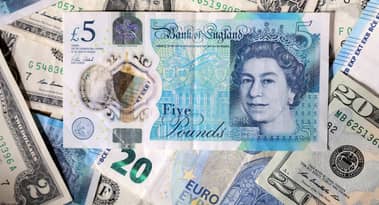
The British pound was on track to record its biggest weekly gain against the US dollar in 12 weeks on Friday.
The currency was supported by easing domestic political concerns and weaker-than-expected US labour market data, which weighed on the dollar.
Sterling rose 0.1% to $1.3357 during the session.
The move brought its weekly gain to 1.2%, marking its strongest weekly performance against the dollar since early April.
The dollar came under pressure after the latest US employment data showed that the economy added fewer jobs than expected last month.
The softer labour market figures reduced expectations that the US Federal Reserve would continue raising interest rates.
Political concerns begin to fade
Earlier in the week, British financial markets showed signs of unease after Andy Burnham, the only Labour lawmaker to publicly express interest in replacing outgoing Prime Minister Keir Starmer, gained support for a potential leadership challenge.
Burnham had previously said that the country needed to get "beyond this thing of being in hock to the bond markets."
His remarks raised concerns among some investors, who feared that he could move away from the government's existing borrowing commitments.
However, market sentiment improved after Burnham reaffirmed his commitment to the country's current fiscal rules.
Those rules include balancing day-to-day government spending through tax revenues and reducing debt as a share of economic output.
His reassurance helped ease investor concerns over fiscal discipline.
Pound slips slightly against the Euro
Against the euro, sterling edged lower to 85.73 pence.
The previous day, the British currency had touched 85.47 pence against the single currency, its strongest level in a year.
Despite easing hostilities in Iran and the gradual resumption of oil supplies from the Middle East, financial markets continue to assign a greater probability to a Bank of England interest rate hike than a rate cut later this year.
Bank of England signals remain in focus
Attention also remained on comments made by Bank of England rate-setter Catherine Mann on Thursday.
Mann said that looser financial conditions since the Bank's June policy meeting would be an important factor when policymakers meet again in July.
She also stated that she would be prepared to support a rate increase if higher inflation expectations following the US-Iran war reduce the likelihood of inflation returning to the Bank's 2% target.
Money market futures currently imply around a 70% chance of a Bank of England rate hike by the end of the year.
Before the Middle East conflict, investors had expected the central bank to deliver two interest rate cuts during 2026.
Recent developments, however, have prompted markets to reassess that outlook in favour of tighter monetary policy.

USD/JPY signal: forecast as a death cross forms ahead of key US, Japan macro data
SDV's Alexander Lis on why the Debasement trade is more complicated than it looks
USD/JPY signal: forecast as Japanese yen surges amid BoJ rate hike bets

AUD/USD signal: forecast as RBA and Fed rate hike odds rise

NZD/USD signal: forecast as RBNZ hikes rates as New Zealand bond yields jump
No results found
Loading articles...
Failed to load articles. Please try again.