
Fed minutes show several officials favored July rate hike as inflation persists
AI Sentiment: 18/100 Bearish
This score is generated through AI-driven analysis of the article's content.

powered by

Buy: Invesco DB US Dollar Index Bullish Fund (UUP) or long DXY. If the Fed leans hawkish while growth data softens, the market still prices fewer hikes—yet the minutes warn of “costly” future tightening if inflation doesn’t fall. That supports a higher-for-longer rate path versus peers, strengthening the dollar even on weaker US growth.
Key Risk: A global risk-off shock drives investors into USD regardless of Fed policy, but then the Fed turns dovish and the dollar reverses.
Buy: none. Sell: iShares 7-10 Year Treasury ETF (IEF) and/or short 2Y Treasury futures. Minutes show a clear hawkish tilt for July and no appetite for cuts; inflation is “highly uncertain” and Iran risk keeps energy upside alive. That combination keeps the Fed biased toward staying restrictive longer, pushing yields higher and duration lower.
Key Risk: Inflation drops fast enough that the Fed pivots to cuts before the market fully reprices.
- Several Fed officials backed a July rate hike over inflation concerns.
- Weaker US data have reduced bets on a September rate hike.
- Warsh considers cutting Fed meetings from eight to six annually.
Several Federal Reserve officials favored raising interest rates at the central bank's July meeting, while many others said further tightening could be necessary if inflation fails to decline, according to minutes released Wednesday.
The Federal Open Market Committee voted 9-3 to keep the federal funds rate in a range of 3.5% to 3.75% at its July 28-29 meeting.
Dallas Fed President Lorie Logan, Cleveland Fed President Beth Hammack and Minneapolis Fed President Neel Kashkari dissented in favor of a quarter-percentage-point increase.
Two other regional Fed presidents who were not voting members at the meeting, Kansas City's Jeff Schmid and St. Louis Fed President Alberto Musalem, have since indicated they would also have supported a hike.
Inflation remains central to Fed debate
The minutes showed that inflation remained a major source of uncertainty for policymakers.
Most participants expected price pressures to ease through the rest of the year as the effects of tariffs and earlier energy price increases faded.
However, many officials warned that inflation could remain elevated for longer than expected.
Several policymakers who supported a rate increase argued that price pressures appeared broad-based and that a more restrictive policy stance was needed to maintain the Fed's price-stability and employment objectives.
The minutes said some officials believed failing to tighten policy could result in “a steeper and potentially more costly sequence of tightening moves” later.
The Fed's inflation outlook was described as “highly uncertain,” with the renewed escalation of the Iran war adding to concerns about energy prices and inflation.
The July meeting marked the fifth consecutive meeting at which the Fed left rates unchanged, following three rate cuts in late 2025. There was no mention in the minutes of support for cutting rates.
Weaker data complicate rate outlook
Economic data released since the July meeting have provided some relief for policymakers concerned about inflation while raising questions about the strength of the US economy.
Retail sales fell in July by the most in more than a year as consumers reduced spending at online retailers and auto dealers.
Core inflation was subdued during the month, while employers unexpectedly cut jobs and hiring figures for the previous two months were revised lower.
The softer data have reduced market expectations for a rate hike in September.
Federal funds futures pricing indicated about a 36% probability of an increase at the September meeting as of Wednesday morning, down from more than 70% at the end of July.
The Fed is currently expected to keep rates unchanged at its September 15-16 meeting, although investors are pricing in the possibility of a hike as soon as the October 27-28 meeting.
Warsh considers changes to Fed operations
The minutes also highlighted broader changes Fed Chairman Kevin Warsh is considering.
Warsh asked policymakers for their views on reducing the number of scheduled policy meetings from eight to six each year.
The minutes said six meetings, held roughly every two months, would allow more economic information to accumulate between decisions and give policymakers more time to consider strategic issues.
No decision was made, and the 2026 meeting schedule will not change.
Fed officials also discussed an upcoming review of the central bank's balance sheet.
While the review could lead to a broader discussion of how the Fed manages its assets, many policymakers reiterated that changes to the federal funds rate should remain the primary tool for adjusting monetary policy.
The minutes come ahead of the Fed's annual Jackson Hole gathering, where Warsh is expected to deliver his first speech since becoming chairman in May.
His comments could offer investors further clues about the central bank's approach to inflation and interest rates.
UBS sees two Fed hikes in 2026: what should investors buy
Fed Chair Kevin Warsh warns inflation may require more rate hikes
RBI keeps repo rate unchanged at 5.25% as volatile oil prices cloud inflation outlook
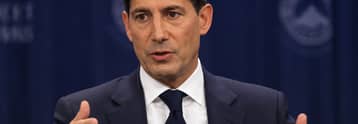
Fed holds rates in 9-3 vote; Warsh says decision not a pause, but a review
ECB leaves rates unchanged as energy prices add to inflation uncertainty
No results found
Loading articles...
Failed to load articles. Please try again.