
Brent eyes 6% weekly gain as Hormuz disruption keeps supply fears elevated
AI Sentiment: 68/100 Bullish
This score is generated through AI-driven analysis of the article's content.

powered by

Buy Brent crude futures (BZ=F). The market is still pricing a persistent Hormuz risk premium: tanker traffic is near a standstill and the strait carries ~1/5 of global oil/LNG flows. Even with diplomacy capping upside, the floor remains because shipping/insurance won’t normalize fast. Target is continuation of the weekly move toward the recent highs while the premium holds.
Key Risk: Hormuz shipping reopens quickly (tankers resume normal flows and insurance costs fall), letting the risk premium unwind fast.
Buy USO (United States Oil Fund). It gives direct exposure to WTI strength as the same Hormuz disruption supports crude prices near $72–$76. This is a cleaner way to express the “risk premium won’t fade” setup without needing perfect timing in futures.
Key Risk: A sharp diplomatic breakthrough or renewed ceasefire that restores tanker flows and forces a fast crude selloff.
- Oil holds weekly gains as Hormuz risk keeps supply fears firmly in focus.
- Brent stays near $76 as US-Iran fight slows full shipping recovery again.
- Trump's limited-war signal caps crude even as Gulf risk premium persists.
Oil is ending the week with a risk premium that refuses to fade.
Prices held near recent highs on Friday as renewed US-Iran fighting kept traders focused on the Strait of Hormuz, where tanker flows have slowed sharply after attacks on commercial shipping.
The rally has eased from its midweek peak, but the market is still pricing the danger that one of the world’s most important energy routes may not return to normal quickly.
For now, diplomacy is capping the upside, while disrupted shipping is keeping a floor under crude.
Hormuz keeps supply fears alive
Brent crude traded near $76 a barrel on Friday, while West Texas Intermediate hovered close to $72.
Both benchmarks were set for strong weekly gains, with Brent up about 6% and WTI on track for a roughly 5% rise.
The advance followed a fresh escalation between Washington and Tehran.
Iranian forces targeted US-linked infrastructure in Gulf states after US strikes on Iran’s southern coastal and eastern provinces, straining a fragile ceasefire.
The local media also reported explosions across southern Iran, including near Bushehr, home to one of the country’s nuclear facilities.
The immediate concern for oil traders is not only the fighting itself, but the impact on shipping.
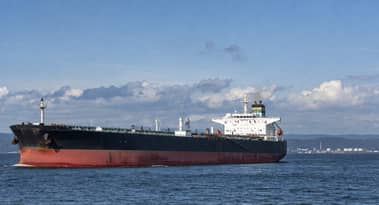
Tanker traffic through Hormuz has slowed to a near-standstill as owners reassess security and insurance risks.
The strait carried about one-fifth of global oil and LNG flows before the war, making any prolonged disruption a direct threat to supply.
Diplomacy still limits the upside
Even with the risk premium, crude has not returned to the panic levels seen earlier in the conflict.
Market analysts say traders still expect Washington and Tehran to keep some path open for diplomacy, especially because both sides have an interest in avoiding a full closure of Hormuz.
President Donald Trump also helped temper the rally by saying he did not expect the war to restart in full and that any fresh fighting would be resolved quickly.
That reassurance has kept buyers from chasing crude too aggressively, even as physical flows remain constrained.
ANZ commodity strategists see another reason for restraint: US strikes have focused on military targets rather than Iranian energy infrastructure.
As long as oil fields, export terminals and refineries are spared, the market may price disruption risk without assuming a full supply shock.
Weekly gain still looks fragile
The balance remains delicate. Any further attacks on tankers, ports or Gulf energy assets could send crude sharply higher.
But if shipping flows improve or talks resume, some of this week’s risk premium could unwind quickly.
That leaves oil in a headline-driven range. Supply fears are supporting prices, but confidence in eventual diplomacy is stopping a more disorderly rally.
The next move will depend less on inventories and more on whether Hormuz can reopen safely.

Shell share price jumps to record high as crude oil rallies with no end in sight

Brent is almost $100 and stocks are refusing to panic: what does the market know

Kalshi’s commodities bets outpace crypto as monthly volume tops $400M

Crude oil price forecast: why Goldman sees Brent at $85 despite Hormuz risk

Is gold ready to rally again, or will inflation hand control back to bears?
No results found
Loading articles...
Failed to load articles. Please try again.