
„Wielka umowa” Trumpa czy szokująca postawa wobec Iranu? Giełdy tracą
Sentyment AI: 18/100 Niedźwiedzi
Ten wynik jest generowany na podstawie analizy treści artykułu napędzanej sztuczną inteligencją.

Wspierane przez

Kup ekspozycję na WTI (USO lub kontrakty terminowe NYMEX WTI), ponieważ odmowa Trumpa przedłużenia 14-dniowego zawieszenia broni z Iranu i groźba „wznowienia bombardowań” przeszacowują ryzyko eskalacji przy Cieśninie Ormuz, pchając ropę z powrotem w kierunku/ponad poziom $90. Sektor energetyczny pełni rolę pierwszego sygnału ostrzegawczego, a impuls inflacyjny powinien wywierać presję na spółki cykliczne i utrzymywać popyt na ropę aż do wygaśnięcia zawieszenia broni.
Kluczowe ryzyko: Przedłużenie zawieszenia broni lub wiarygodne ogłoszenie deeskalacji, które skasuje premię za eskalację i sprowadzi WTI poniżej $90.
Sprzedaj spółki z sektora transportowego i przemysłowego najbardziej wrażliwe na ryzyko cen ropy i frachtu (np. XLI/ETF na sektor przemysłowy lub zajmij krótką pozycję w wybranych nazwach jak UPS/FDX). Artykuł sygnalizuje natychmiastową presję wynikającą ze skoku WTI; przy dominującym „risk-off” i rosnących obawach inflacyjnych kompresja mnożników powinna uderzyć w te grupy szybciej niż w szeroki rynek.
Kluczowe ryzyko: Szybkie odwrócenie ceny ropy do średniej i stabilizacja nastrojów makroekonomicznych, które zapobiegną szkodom dla zysków/mnożników spółek cyklicznych.
- Prezydent Trump zapowiada wznowienie bombardowań Iranu bez porozumienia.
- Indeksy giełdowe USA gwałtownie spadają, gdy napięcia geopolityczne ponownie eskalują w trakcie sesji.
- Rosnące ceny ropy podsycają obawy przed globalnym kryzysem energetycznym.
The buoyant optimism that characterized the start of the April 21st trading session “evaporated” by midday, leaving Wall Street drenched in red as geopolitical concerns returned with a vengeance.
After the Nasdaq briefly touched a fresh record high in early trading, the major indices took a sharp u-turn, weighed down by a toxic cocktail of diplomatic uncertainty and hawkish rhetoric from the White House.
Investors who’d been betting on a “de-escalation” in the Middle East were forced to recalibrate as the clock ticked toward the expiration of a critical 14-day ceasefire between the United States and Iran.
What made the markets turn red on Tuesday?
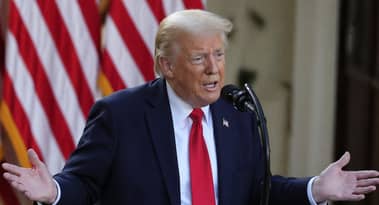
The primary catalyst for the afternoon slide was President Donald Trump’s candid, “high-stakes” interview with CNBC.
In a move that sent shockwaves through global trading floors, the President explicitly said he had no intention of extending the ceasefire, which is set to expire on Wednesday.
“We don’t have that much time,” Trump remarked – asserting that the US is currently in a “very strong negotiating position.”
He even coupled this with a chilling warning that the US will resume bombing should Tehran fail to agree to a “great deal” immediately.
This immediately spiked the CBOE Volatility Index (VIX), which rose over 5%, as market realized the peace dividend it had priced in recently was built on shaky ground.
Energy markets and the Strait of Hormuz standoff
Energy markets acted as the “canary in the coal mine” during the session’s reversal.
While oil prices had “softened” in Asian trade on hopes of successful mediation in Islamabad, the President’s hardline stance sent West Texas Intermediate (WTI) crude surging back toward the $90 mark, a 4.6% intraday jump.
Brent crude followed suit, nearing $98 as traders braced for the possibility of a permanent blockade or military escalation near the Strait of Hormuz.
Because roughly 21% of global petroleum liquids pass through this strategic chokepoint, the threat of renewed hostilities isn’t just a regional concern – it’s a global inflationary trigger.
The sudden spike in energy futures put immediate pressure on transport and manufacturing stocks, further dragging the S&P 500 into negative territory.
The fog of war in Islamabad
Adding to the market’s “whiplash” was the conflicting information regarding the proposed peace talks in Pakistan.
While rumours swirled that Vice President JD Vance was prepared to depart for Islamabad to meet with Iranian Parliament Speaker Mohammad Bagher Ghalibaf, the White House later confirmed Vance remained in Washington.
Iranian state media simultaneously denied that any delegation was even being sent, creating a “fog of war” that left investors flying blind.
This diplomatic stalemate, combined with Kevin Warsh’s cautious testimony before the Senate Banking Committee regarding the Federal Reserve's future, created an environment where “risk-off” became the only logical play.
By afternoon trading, the initial gains of the morning may feel like a distant memory, replaced by the grim realization that the path to a deal may be paved with further volatility.
Dow spada 270 pkt po mocnym raporcie; wzrosły oczekiwania podwyżki we wrześniu
Wieczorny przegląd: Trump naciska na Fed, zatrudnienie w USA rośnie, złoto spada
Akcje Apple spadają 2% z powodu problemów z produkcją składanego iPhone’a

Akcje Tesli tracą 6% po debiucie Cybercab; analitycy i regulatorzy mają zastrzeżenia
Prognoza akcji AMD: dlaczego rywal Nvidii jest bliski przebicia
Nie znaleziono wyników
Ładowanie artykułów...
Failed to load articles. Please try again.