Invezz

Major currencies barely moved; traders trapped by U.S.-China trade
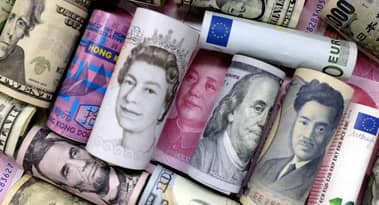
Major currencies barely moved; traders trapped by U.S.-China trade
Andia Rispah
Nov 27, 2019, 04:50 AM
  • Major currencies barely moved as traders trapped in the U.S-China trade talks.
  • President Trump says the U.S. was in the final throes of work on a deal that would defuse a 16-month trade spat with China.
  • With markets trapped with the trade issues, soft U.S. consumer sentiment data hardly made any dent in the dollar.

On Wednesday, major currencies barely moved as traders looked to the outcome of the U.S-China trade talks and a shortened holiday week in the U.S.

The dollar traded at 109.05 against the yen, off a two-week high of 109.205, touched on Tuesday. It was amid optimism that the U.S. and China could sign a deal to put a hold on their 16-month trade war.

The euro remained at $1.1023, little changed so far this week.

Trade is slowing down ahead of the Thanksgiving holiday on Thursday before which some major players will have wound down most of their trade for the year.

On Tuesday, President Trump said the U.S. was in the final throes of work on a deal that would defuse a 16-month trade spat with China.

However, he also underscored his support for protesters in Hong Kong- a potential sore point for China.

His remarks followed a Tuesday telephone call between the U.S. trade representative and treasury secretary with Chinese Vise Premier. China's Commerce Ministry disclosed the call.

Trump's comments caused a bullish mood in the U.S. stock markets, but major currencies were on hold. Many market participants now hesitate to make big bets before they see the real deal.

"Judging from Trump's comments, an agreement will have to wait at least until the weekend," said Kyosuke Suzuki, director of the forex at Societe Generale in Tokyo.

One major concern point has been rolling back of tariffs Trump has imposed, with China demanding they be scrapped off as part of the deal.

The U.S. has imposed tariffs on Chinese goods in a dispute over trade practices that the U.S. government says are unfair. China responded with its tariffs on U.S. goods.

"I think markets are betting that a likely compromise will be to continue to negotiate on tariffs. If that turns out to be the case, we could see the buy-on-rumor-sell-on-fact type of selling in the dollar/yen," Kyosuke added.

If both sides do not agree soon, then the next important date to watch is Dec 15, when the U.S. is scheduled to impose even more tariffs on Chinese goods.

"The market believes that the December tariffs won't be activated," said Minori Uchida, chief currency analyst at MUFG Bank.

Consumer data

With markets trapped with the trade issues, soft U.S. consumer sentiment data hardly made any dent in the dollar.

U.S. consumer confidence dropped for a fourth straight month in November despite expectations of a small rebound amid worries about current business conditions and employment prospects.

Another report on Tuesday showed an unexpected drop in new home sales last month, but data for September was revised higher to show purchases hitting their highest level in over 12 years.