Invezz

Sainsbury’s Promises to Reduce Carbon Emissions to Zero by 2040
Sainsbury’s Promises to Reduce Carbon Emissions to Zero by 2040
Michael Harris
Jan 28, 2020, 13:50 PM
  • Sainsbury’s plans to spend $1.3 billion to cut carbon emissions to zero by 2040
  • The retailer intends to reach the goal by improving the use of renewable energy, reduce the use of plastic and water, and tackle food waste
  • Sainsbury’s carbon emissions has gotten reduced by a third over the past 15 years

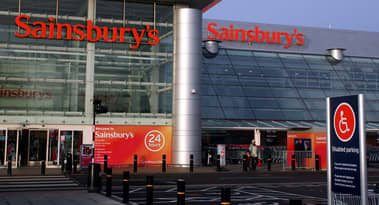
Sainsbury's has announced plans to cut its net carbon emissions to zero by 2040. The UK’s second-largest supermarket chain plans to invest £1 billion ($1.3 billion) to achieve this goal.

The awareness about the need for tackling climate change has been rising in the UK, thanks to climate change campaigners, including broadcaster David Attenborough and Swedish environmental activist Greta Thunberg.

Sainsbury’s CEO Mike Coupe said the company would be contacting its suppliers to make sure they are playing their part.

Sainsbury’s plans to reach this goal by focusing on cutting carbon emissions by improving its use of renewable energy, reducing the use of water and plastic, increasing recycling, and addressing food waste.

At this time, the retailer emits one million tonnes of carbon each year, however, the company claims that number got reduced by a third over the past 15 years.

Over the next 20 years, Sainsbury's will invest an average of £50m a year to start using alternative fuel for some of its vehicles and restructure its stores to improve energy-efficiency in order to hit the target.

The company will also collaborate with Carbon Trust to cut emissions and set science-based objectives for reduction. It will publicly report progress every six months.

Sainsbury’s already said it will help the environment back in September, pledging to cut plastic packaging by 50% by 2025. It is the first supermarket chain in Britain to make a commitment of this magnitude.

The UK’s retail behemoth currently has 2,300 stores, 185,000 employees across Britain and Ireland, and serves more than 27 million customers every week.