Invezz

Is Pakistan eyeing a Modi-style demonetization? Here's what we know
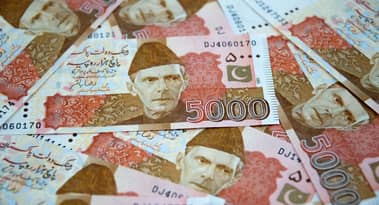
Is Pakistan eyeing a Modi-style demonetization? Here's what we know
Harsh Vardhan
Aug 24, 2024, 05:52 AM
  • State Bank of Pakistan plans new banknotes, sparking concerns over effectiveness.
  • Pakistan's demonetization aims to curb counterfeiting and money circulating in the black economy.
  • Unlike India, Pakistan lacks the infrastructure for an India-style digital payments surge.

The State Bank of Pakistan (SBP) has recently stirred discussions by announcing plans to replace existing currency notes with new ones potentially.

This proposal, which includes not only a redesign of the notes but possibly a shift to a different material, has sparked widespread speculation.

Many are drawing comparisons to Indian Prime Minister Narendra Modi's 2016 demonetization, which saw the overnight invalidation of certain denominations. But is Pakistan really on the verge of a similar drastic move?

Pakistan's potential demonetisation: What's driving it?

The primary motive behind the SBP's proposal appears to be the fight against counterfeiting and the enhancement of security features on banknotes.

The new notes are expected to incorporate advanced security technologies, a step towards modernizing Pakistan's financial infrastructure.

However, this move is occurring against a backdrop of economic uncertainty and political instability, which have plagued the country since the ouster of Prime Minister Imran Khan in 2022.

Pakistan is currently grappling with a sluggish economy, and there is a crackdown on activities that are harmful to its financial health.

The idea of demonetization, though unconfirmed, is being viewed by some as a potential tool to address these challenges.

However, the success of such a move is far from guaranteed. While some applaud the effort, others worry it could end up being a political stunt rather than a meaningful economic reform.

Lessons from India's 2016 demonetization

In November 2016, India’s government, led by PM Modi, shocked the nation by demonetizing INR 500 and 1000 banknotes.

The move was aimed at combating black money, corruption, and counterfeit currency.

The sudden announcement led to widespread chaos, with people queuing up at banks to exchange their invalidated notes.

The policy received a mixed response, with strong opinions on both sides.

While the demonetization did push a significant portion of cash into the banking system, critics argue that it failed to achieve its primary objectives.

For instance, 99.3% of the demonetized currency was eventually deposited back into banks, raising questions about the actual removal of black money from the economy.

The anticipated crackdown on corruption did not materialize as expected.

However, one undeniable success of the move was the boost to digital payments in India.

In the five years following demonetization, online transaction activity in India surged by 45%, helping to modernize the country's financial system.

Why Pakistan's situation is different

While the SBP's intentions may align with those behind India’s demonetization, Pakistan faces unique challenges that could complicate the effectiveness of such a move.

Unlike India, Pakistan lacks the infrastructure to support a rapid shift to digital payments. In fiscal year 2023, Pakistan processed just $0.51 billion in digital transactions, as against India’s $2 trillion in the same year.

This massive gap highlights the limitations Pakistan faces if it attempts to follow in India's footsteps.

Moreover, without a robust financial infrastructure, demonetization in Pakistan could lead to more harm than good.

The country needs more than just new banknotes to address its economic issues. True reform would require comprehensive measures to modernize its financial systems, encourage digital transactions, and build trust in the economy.

While the idea of demonetization in Pakistan might not be politically motivated, its potential success remains uncertain.

Simply replacing old notes with new ones is unlikely to address the deeper structural issues plaguing the country’s economy.

For real change, Pakistan needs to take bold, concrete steps to overhaul its financial infrastructure and lay the groundwork for a more resilient and modern economy.

In the end, the effectiveness of any potential demonetization in Pakistan will depend on whether the country can successfully implement broader financial reforms, rather than relying on a single dramatic gesture.