
Mark Zuckerberg claims Biden administration 'pressured' Meta to censor COVID-19 content
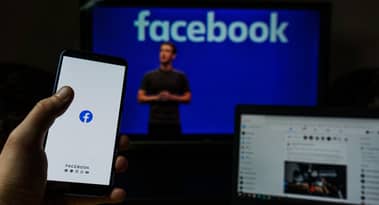

- Zuckerberg expresses regret over not standing up against the government's influence during the pandemic.
- He acknowledged that the New York Post story was not Russian disinformation.
- Zuckerberg announces he will not make any contributions towards 2024 elections to stay neutral.
Meta Platforms CEO Mark Zuckerberg has revealed that senior officials from the Biden administration pressured his company to censor COVID-19-related content during the pandemic.
In a letter dated August 26, 2024, addressed to the US House Judiciary Committee, Zuckerberg expressed regret over not resisting the government's influence at the time, shedding light on the challenges Meta faced under intense governmental pressure.
'Government pressure was wrong'
In his letter, Zuckerberg detailed how the Biden administration "repeatedly" pressured Meta’s teams to remove certain COVID-19 content.
He noted that this included humor and satire, which the administration found objectionable.
The pressure from the White House led to frustration when Meta did not fully comply with their demands.
Zuckerberg admitted,
He also reflected on some of the decisions made by Meta, acknowledging that, with the benefit of hindsight, they might have acted differently.
This admission raises critical questions about the extent to which governments should influence content on social media platforms.
The issue has been a longstanding point of contention, with critics accusing social media companies of overreaching and suppressing legitimate discussions under the guise of combating misinformation.
The New York Post story was not Russian disinformation
Zuckerberg also addressed Meta's actions during the 2020 presidential election, revealing that the Federal Bureau of Investigation (FBI) had warned the company about a potential Russian disinformation campaign targeting the Biden family.
This led Meta to demote a story involving corruption allegations against then-Democratic nominee Joe Biden’s family.
Zuckerberg acknowledged that the story, reported by the New York Post, was not Russian disinformation and that, in retrospect, Meta should not have demoted it.
These revelations come at a critical time as the 2024 US presidential election approaches, raising concerns about social media platforms' role in influencing public perception and electoral outcomes.
Zuckerberg’s stance on 2024 election contributions
In the same letter, Zuckerberg addressed his involvement in the upcoming 2024 US presidential election, stating that Meta would not contribute to support electoral infrastructure this year.
This marks a significant shift from the 2020 election when Zuckerberg and his wife, Priscilla Chan, contributed $400 million through the Chan Zuckerberg Initiative to support election efforts during the pandemic.
The decision drew criticism from some, who accused the move of being partisan.
Zuckerberg emphasized his intent to maintain neutrality in the upcoming election, stating,
Free speech vs. content moderation
The controversy surrounding government influence on social media platforms has reignited debates about free speech and the role of these platforms in moderating content.
Facebook, Instagram, and WhatsApp, all owned by Meta, removed millions of posts during the pandemic, citing misinformation.
However, critics argue that these platforms may have gone too far, suppressing legitimate discussions.
The US House Judiciary Committee, led by Republican Chairman Jim Jordan, praised Zuckerberg’s admission as a “big win for free speech.”
They view the letter as evidence that the Biden administration actively worked to stifle American voices on the platform, which has significant implications for ongoing discussions about government censorship and the preservation of free speech.
Zuckerberg's revelations also resonate with a broader global debate over the role of social media companies in policing content.
While some governments advocate for stricter regulations to prevent the spread of misinformation, others warn that overreach could infringe on free speech.
The recent arrest of Telegram co-founder Pavel Durov in France for failing to moderate criminal activities on his platform underscores the challenges tech companies face worldwide.
As the 2024 US presidential election nears, Zuckerberg’s statements highlight the delicate balance that social media platforms must maintain between content moderation, free speech, and political neutrality.

Why investors see more upside for SanDisk's 500% rally

DRAM ETF gained 18% last month: can it continue its outperformance
UBS sees two Fed hikes in 2026: what should investors buy

Broadcom stock: Why the AI chipmaker’s growth story is gaining steam

Is Oracle stock a buy before earnings as analysts turn bullish?
No results found
Loading articles...
Failed to load articles. Please try again.