Invezz

Saudi Aramco launches second bond sale to support dividends, investment as oil profits fall
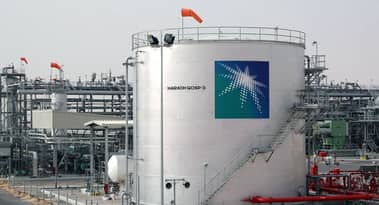
Saudi Aramco launches second bond sale to support dividends, investment as oil profits fall
Harsh Vardhan
Sep 24, 2024, 03:42 AM
  • Saudi Aramco launches second sukuk bond sale to raise international funds.
  • Oil profits decline as lower production and prices affect Aramco's earnings.
  • Funds raised to help finance dividends and support Saudi economic projects.

Saudi Arabia's state-controlled oil company, Saudi Aramco, has launched a second round of international bond sales, just two months after raising $6 billion through a previous offering.

The latest debt sale, involving sukuk bonds compliant with Islamic finance rules, is part of the kingdom's broader strategy to fund its economic diversification and investment plans under Crown Prince Mohammed Bin Salman's Vision 2030.

Aramco issues sukuk bonds as oil profits decline

Saudi Aramco’s new bond issuance, announced via the Saudi stock exchange, signals the company's increasing reliance on debt to meet its financial obligations.

With lower oil production and prices affecting its profitability, Aramco is seeking alternative funding sources to sustain its significant dividend payouts and contribute to the kingdom’s long-term investment goals.

This latest dollar-denominated sukuk bond sale comes at a critical time. Brent crude prices have dropped about 3% this year, hovering around $75 per barrel.

A sluggish recovery in oil demand from China, coupled with the global oil market’s uncertainties, has impacted the company’s earnings.

Saudi Arabia, along with its OPEC+ partners like Russia, has been deliberately limiting its oil output to stabilize prices, further reducing Aramco’s revenue streams.

Bonds essential to Aramco’s investment program and dividend payments

Saudi Aramco plays a vital role in supporting the kingdom’s budget through its substantial dividend payments.

This year, the company is set to pay out $124 billion in dividends, which includes a special distribution.

However, recent financial disclosures have shown that Aramco’s free cash flow has been insufficient to cover these payouts, leading the company to turn to debt markets to bridge the gap.

Aramco’s July bond sale, which was the company’s first in three years, was met with strong demand, with final order books surpassing $23 billion.

The oil giant also issued 40-year bonds during that sale, likely to refinance existing debt and fund its extensive investment programs.

The success of that bond sale indicates that Aramco has a steady base of international investors willing to participate in its debt offerings, even as the oil market faces volatility.

Debt strategy aligns with Saudi Arabia’s diversification goals

Aramco’s latest sukuk bond issuance aligns with Saudi Arabia’s broader economic strategy, which involves borrowing heavily to fund Crown Prince Mohammed Bin Salman’s ambitious Vision 2030 plan.

This initiative aims to reduce the kingdom’s dependence on oil by diversifying into sectors like technology, tourism, and infrastructure.

The Saudi government and state-owned enterprises have been key players in this borrowing spree, as they seek to finance a range of domestic projects intended to transform the economy.

The proceeds from Aramco’s bond sales are likely to be used for both debt refinancing and supporting the company's investment program, which is crucial for the kingdom’s future economic sustainability.

As Aramco continues to issue debt, it plays a dual role: providing funds for Saudi Arabia’s ambitious plans while also managing its own financial health in a challenging oil market environment.

Aramco has appointed a range of financial institutions, including Al Rajhi Bank, Citigroup Inc., JPMorgan Chase & Co., and Standard Chartered Plc, to act as bookrunners for the latest bond sale.

These institutions will help facilitate the sukuk offering and attract international investors to participate in the deal.