Invezz

Silver prices remain stable in $38 range
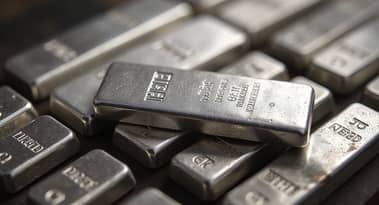
Silver prices remain stable in $38 range
Devesh Kumar
Jul 21, 2025, 11:17 AM
  • Silver prices stabilize around $38 per ounce, showing resilience in 2025.
  • Industrial and safe-haven demand bolster silver amid global economic uncertainty.
  • Oil prices rise above $66 per barrel, influencing broader commodity sentiment.

In the ever-volatile world of commodities, silver has recently captured attention by maintaining stability in the $38 per ounce range.

As of the latest updates on July 21, 2025, silver prices have shown resilience despite fluctuations in other commodity markets such as gold, platinum, and oil.

This stability comes amidst a complex backdrop of economic indicators, geopolitical tensions, and shifting monetary policies, making silver a focal point for investors and analysts alike.

A closer look at silver’s price stability

Recent data indicates that silver prices have hovered around $38 per ounce, a level that reflects both industrial demand and its status as a safe-haven asset.

According to market updates from Reuters, silver has experienced minor daily fluctuations but has managed to hold steady over the past week, buoyed by a weaker US dollar and ongoing uncertainties in global markets.

This price point, which saw a peak earlier in July as reported by Bloomberg, marks a significant increase of over 30% compared to the same period last year, highlighting silver’s strong performance in 2025.

The stability in silver prices can be attributed to a combination of factors. Industrial demand, particularly from the renewable energy sector for solar panel production, continues to drive long-term interest in silver.

Additionally, safe-haven demand has surged due to geopolitical risks and economic uncertainties, including potential tariff policies under discussion in the US and inflationary pressures worldwide.

These dynamics have positioned silver as a dual-purpose asset, appealing to both industrial users and investors seeking portfolio diversification.

Contextualizing silver within the broader commodities market

To fully understand silver’s current position, it’s essential to examine its performance relative to other commodities.

Gold, often seen as silver’s more prominent counterpart, has experienced slight dips but remains in a bullish trend, according to Bloomberg’s market analysis.

The gold-to-silver ratio, a key metric for investors, recently fell below 88, suggesting that silver is gaining ground relative to gold.

Meanwhile, platinum prices have shown volatility, with significant gains in recent weeks, reflecting a broader precious metals rally.

Oil, another critical commodity, has also been in the spotlight due to geopolitical tensions and supply concerns.

Reuters reports that WTI crude oil prices have risen above $66 per barrel, influenced by drone strikes on Iraqi oil fields and revised demand outlooks from OPEC.

While oil’s price movements are driven by different fundamentals compared to precious metals, the overall commodity market sentiment impacts investor confidence in assets like silver.

Rising oil prices often signal inflationary pressures, which can bolster demand for precious metals as hedges against currency devaluation.

Economic and policy factors influencing commodities

The broader economic environment plays a crucial role in shaping commodity prices, including silver.

Recent US economic data, such as consumer price index (CPI) figures, have tempered expectations for near-term Federal Reserve rate cuts, as noted in market updates from Reuters.

A hawkish Fed stance typically strengthens the dollar, which can pressure commodity prices.

However, silver has remained resilient, supported by a retreat in yields and renewed safe-haven demand amid policy uncertainties, including potential tariff hikes under a Trump administration.

Globally, central banks’ gold purchases and currency fluctuations also influence silver’s appeal.

As countries diversify reserves away from the US dollar, both gold and silver benefit from increased demand.

Furthermore, industrial demand for silver remains robust, particularly in Asia, where economic recovery efforts are driving manufacturing activity.

These factors collectively contribute to silver’s ability to maintain its current price range despite headwinds in other sectors of the commodities market.