Invezz

ByteDance tightens Seedance safeguards after Hollywood backlash
ByteDance tightens Seedance safeguards after Hollywood backlash
Diya Poddar
Feb 16, 2026, 09:11 AM

Chinese technology firm ByteDance is strengthening protections around its artificial intelligence video generator Seedance 2.0 after complaints from entertainment companies, as per a CNBC report.

The tool, which allows users to generate realistic videos from text prompts, has drawn scrutiny after online clips appeared to feature copyrighted characters and celebrity likenesses.

These developments triggered intellectual property concerns in the US entertainment industry, prompting formal warnings and legal notices.

The dispute highlights growing tension between AI developers and media companies as generative video tools become more widely accessible.

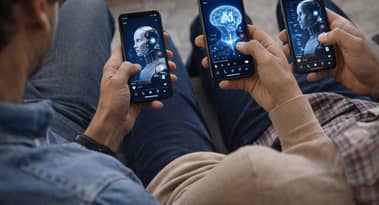
Seedance 2.0 is designed to create realistic videos using simple text prompts, expanding ByteDance’s ambitions in generative AI.

However, the platform quickly attracted attention after users shared viral videos that appeared to include protected fictional characters and recognisable public figures.

This raised alarms among US copyright holders, who argued the tool could enable unauthorised reproduction of protected material.

ByteDance acknowledged these concerns and said it was strengthening systems to address misuse.

According to CNBC, the company confirmed it respects intellectual property rights and has begun improving safeguards to prevent users from generating unauthorised content involving copyrighted material or personal likenesses.

Hollywood groups issue warnings

The Motion Picture Association escalated pressure on ByteDance last week, accusing the company of enabling large-scale copyright infringement.

The trade group represents studios including Netflix, Paramount Skydance, Sony, Universal, Warner Bros Discovery, and Disney.

The organisation warned the AI service had engaged in unauthorised use of US copyrighted content and called on ByteDance to stop such activity.

It said launching AI tools without strong safeguards risks undermining copyright protections and the creative economy.

These concerns reflect wider fears in the film and television industry about generative AI systems using copyrighted material without consent.

Disney has taken legal steps against ByteDance, sending a cease-and-desist letter accusing the company of reproducing and distributing its intellectual property through Seedance 2.0.

According to an Axios report, the letter alleged the system was effectively packaged with pirated versions of copyrighted characters presented as if they were public domain content.

Paramount Skydance has also issued a similar cease-and-desist notice, according to Variety.

The legal pressure signals coordinated action from entertainment companies seeking to protect their intellectual assets.

Disney has previously confronted AI developers over similar issues.

In September, the company sent a cease-and-desist letter to Character.AI over alleged unauthorised use of its copyrighted characters.

Disney balances enforcement and AI partnerships

At the same time, Disney has pursued partnerships with AI firms under licensing arrangements.

The company signed an agreement and invested in OpenAI, allowing licensed use of characters from franchises such as Star Wars, Pixar, and Marvel in OpenAI’s Sora video generator.

This approach reflects a broader strategy combining enforcement against unauthorised usage while supporting licensed AI innovation.

ByteDance’s effort to strengthen Seedance safeguards suggests AI developers may need stronger compliance systems as legal scrutiny increases.

The case illustrates how generative video tools are accelerating copyright debates when realistic media can be created from simple prompts.