Invezz

Goldman Sachs identifies key catalyst for Japan’s equity market
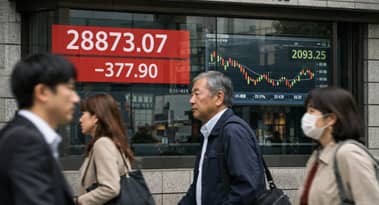
Goldman Sachs identifies key catalyst for Japan’s equity market
Wajeeh Khan
Feb 16, 2026, 12:17 PM

Japanese stocks have been on a tear in recent weeks, fuelled by a historic landslide election victory for Prime Minister Sanae Takaichi and a robust corporate earnings season.

The benchmark Nikkei 225 index has rallied over 4.0% recently to “record highs” as domestic and foreign investor alike cheered the political stability and Takaichi’s “Sanaenomics” agenda of fiscal expansion.

Despite this rally, however, Goldman Sachs remains decidedly “overweight” on Japanese stocks – arguing they’re not out of juice just yet.

The investment bank points to structural improvements in corporate governance and massive share buybacks as the real engines of growth, keeping Japan at the top of its “global conviction list” for 2026.

What may drive Japanese stocks higher in the near-term

According to Goldman Sachs’ senior strategist Bruce Kirk, the “next major catalyst” for Japanese stocks is the upcoming diplomatic mission to Washington.

Prime Minister Takaichi is scheduled to meet with President Donald Trump on March 19, a summit that he dubbed a pivotal moment for market sentiment in a CNBC interview today.

Kirk expects a “flurry of announcements” involving both Japanese and US firms that could unlock the next leg of this rally.

Such summits have historically served as launchpads for “bilateral industrial cooperation.”

With President Trump having officially endorsed Takaichi even before her election win, the market expects this “unshakable solidarity” to result in concrete economic wins that may help Japanese stocks.

Which sector will benefit the most from the March 19 summit

When looking at where the money will flow, Bruce Kirk named sectors where Japan possesses the “expertise that the US needs to reindustrialise.”

On “Squawk Box Asia”, he pointed to sectors like defence, shipbuilding, and factory automation as prime beneficiaries of growing trans-Pacific cooperation.

“Over the weekend, the US put out a new policy document around the restoration of its maritime dominance,” Kirk noted, adding Japan and South Korea were specifically named as vital partners.

This strategic alignment makes Japanese industrial stocks a unique “safe haven” for investors wary of the policy-induced volatility seen in other markets.

Moreover, Nikkei’s tech-heavy composition allows it to capture AI-related growth while remaining anchored by these “AI-safe” industrial giants that provide structural stability.

A structural shift that warrants owning Japanese stocks

The final piece of the puzzle lies in the evolving profile of the Japanese market’s buyer base.

While retail investors have been net sellers, Goldman Sachs is fixated on “US dollar-denominated investors” who are starting to feel the pain of being underweight.

With the Topix up 15% and the Nikkei up 16% year-to-date in dollar terms – handily outperforming a flat S&P 500 – the pressure to chase these returns is mounting.

Kirk suggests that the lack of a “serious correction” (greater than 5%) since April 2025 suggests a shift from “opportunistic” to “structural” positioning.

Now that foreign investors are viewing Japanese stocks as a long-term diversification play rather than a tactical trade, their continued participation could sustain the market’s upward trajectory for years to come.