
Szok Terafab Tesli: czy Elon Musk buduje przyszłość czy pułapkę za 17 mld USD?
Sentyment AI: 35/100 Niedźwiedzi
Ten wynik jest generowany na podstawie analizy treści artykułu napędzanej sztuczną inteligencją.

Wspierane przez

Kup TSLA. Informacja to wiarygodna próba przełamania wąskiego gardła w dostawach układów dla Optimusa i statków kosmicznych z AI, a udział Intela obniża ryzyko technologiczne w porównaniu z czystą „wizją Muska”. Jeśli Terafab osiągnie skalę, Tesla zyska szybsze cykle iteracyjne i mniejsze zakłócenia ze strony dostawców oraz wynikające z czynników geopolitycznych — co bezpośrednio przyspieszy harmonogramy dotyczące autonomii/robotyki i zmniejszy długoterminową presję kosztową na komponenty.
Kluczowe ryzyko: Finansowanie i własność Terafab pozostają niejasne, co może zmusić Teslę do pokrycia większości rachunków (lub poniesienia strat), podczas gdy SpaceX przejmie większość produkcji.
Kup INTC. Rola Intela to brakujący element, który może przekształcić Terafab z koncepcji w produkcyjny rezultat (egzekucja węzła procesu i zaawansowane pakowanie). Jeśli Terafab złoży rzeczywiste zamówienia na urządzenia i wskaźniki wydajności poprawią się, Intel skorzysta na wyższym popycie na swoje know‑how produkcyjne oraz na potencjalnych korzyściach ekonomicznych wynikających ze współpracy i dostaw.
Kluczowe ryzyko: Udział Intela może mieć charakter głównie doradczy lub ograniczony, a Terafab nie osiągnie komercyjnie akceptowalnych wydajności lub wolumenów w zadeklarowanych kamieniach milowych.
- Tesla i SpaceX zobowiązują się do 16,8 mld USD na pierwszą fazę projektu Terafab.
- Analitycy ostrzegają, że ostateczny koszt Terafab może znacznie przewyższyć początkową inwestycję.
- Inwestorom Tesli brakuje jasności co do finansowania, własności i podziału produkcji.
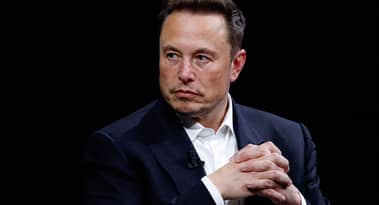
Tesla stock NASDAQ:TSLA closed 1% lower at $319.53 on Thursday as Elon Musk revealed the extraordinary scale of the company’s next industrial gamble.
Tesla and SpaceX will initially invest $16.8 billion in Terafab, a 100-million-square-foot semiconductor complex in Grimes County, Texas.
The plant is designed to manufacture, package and test advanced logic and memory chips under one roof, eventually supporting more than one terawatt of computing demand.
Musk estimates that roughly 25% of its output could serve Tesla’s Optimus robots, with about 75% directed towards SpaceX’s planned AI spacecraft.
Terafab celuje w rzeczywiste wąskie gardło, ale 17 mld USD to tylko cena wejścia
Musk argues that existing suppliers cannot expand quickly enough to meet the future needs of Tesla’s autonomous vehicles, roboty humanoidalne i orbitalna sieć obliczeniowa SpaceX.
Producing logic chips, memory and advanced packaging in one location could shorten design cycles and reduce reliance on suppliers concentrated in East Asia.
It may also protect Musk’s companies from geopolitical disruption and lengthy delivery schedules.
The headline investment is not a final budget.
SpaceX said future phases could push spending much higher, while a May filing estimated that the fully expanded project could cost as much as $119 billion.
Musk has described the first 3,000 jobs as belonging only to phase one of ten.
Morgan Stanley analysts led by Andrew Percoco called the undertaking a “Herculean task”, Business Insider reported.
They estimated that a facility producing 100,000 leading-edge logic wafers each month could cost up to $45 billion. UBS separately estimated roughly $30 billion for that initial capacity.
Intel reduces the technology risk, but its role remains unclear
Tesla and SpaceX understand chip design and large-scale manufacturing.
High-volume semiconductor fabrication is a different discipline, requiring specialised equipment, scarce engineers and consistently strong production yields.
Bernstein analyst Stacy Rasgon told Business Insider that the project could be harder than sending rockets to Mars.
He warned that advanced lithography equipment can take years to secure and that combining logic, memory and packaging creates additional complexity.
Intel’s participation should bring process and packaging expertise.
Yet analysts noted that regulatory filings have not explained the contracts, intellectual-property arrangements, capital contributions, equipment commitments or division of responsibilities.
They also questioned whether the proposed 2029 production target refers to test chips, limited output or genuine high-volume manufacturing.
The next meaningful milestones are equipment orders, process-node commitments, staffing, trial wafers and commercially acceptable yields.
Akcjonariusze Tesli wciąż muszą wiedzieć, kto zapłaci
Tesla has already planned more than $20 billion of capital expenditure for 2026, excluding Terafab and other proposed projects.
Wedbush analyst Dan Ives said Tesla must explain which company will “bear the burden” of supplying billions of dollars for the project.
Baird analyst Ben Kallo similarly questioned the funding source and told Business Insider that outside capital could eventually be required.
The allocation of output adds another concern. Musk’s estimate suggests SpaceX could receive most of Terafab’s computing capacity.
That does not automatically disadvantage Tesla, but shareholders need clarity on ownership, construction costs, transfer pricing and intellectual property.
Dow utrzymuje tygodniowy wzrost po ostrzeżeniu Warsha — rosną szanse na podwyżkę stóp
Akcje Workday rosną 5% po zaskakujących wynikach; analitycy podzieleni co do AI
Wieczorny przegląd: Warsh sygnalizuje walkę z inflacją, złoto i ropa w dół

Dlaczego akcje Autodesk spadają o 4% mimo lepszych wyników za II kw.

Akcje Apple rosną przed wydarzeniem Sept. 9; w centrum składany iPhone
Nie znaleziono wyników
Ładowanie artykułów...
Failed to load articles. Please try again.