
Oil pushes toward $100 as US-Iran strikes flare: what could drive it higher?
AI Sentiment: 88/100 Bullish
This score is generated through AI-driven analysis of the article's content.

powered by

Buy Brent crude futures as the market is repricing back to Hormuz supply risk: strikes are escalating, Iran is warning of traffic restrictions, and tanker attacks are adding a persistent risk premium. With Brent near $95.5–$96 and WTI at the highest since late July, momentum plus tightening middle-distillates (Russia diesel export limits) supports a push toward $100.
Key Risk: A rapid de-escalation that restores confidence in Hormuz flows and removes the risk premium.
Buy heating oil futures as second-order tightness spreads from crude to refined products: even if crude reroutes, diesel/middle-distillate supply stays constrained because Russia extended diesel export restrictions into September while Gulf disruptions limit alternatives. This keeps refined-product spreads supported and can outperform crude on the upside.
Key Risk: Diesel supply loosens faster than expected (Russia reverses export limits or demand weakens sharply), collapsing refined-product tightness.
- Brent holds above $95 as US-Iran strikes revive Hormuz supply fears.
- WTI stays near $91 as tanker risks keep Middle East supply premium firm.
- Russia diesel curbs tighten fuels while Venezuela relief stays far away.
Oil prices extended their rally on Wednesday as another exchange of strikes between the US and Iran revived fears that energy flows through the Strait of Hormuz could deteriorate further.
Brent crude traded around $95.50-$96 a barrel in Asian hours, while West Texas Intermediate held near $91 after both benchmarks surged more than 4% on Tuesday.
WTI is trading at its highest since late July. The latest move has shifted the oil market firmly back towards supply risk after several weeks in which traders had begun pricing a gradual improvement in Gulf shipping.
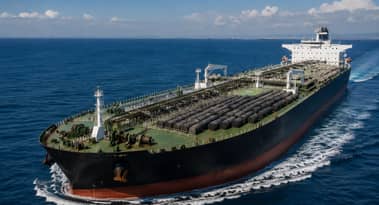
Two recent tanker attacks have added to the uncertainty.
Hormuz risk is rebuilding the oil premium
The latest escalation is more significant for crude than the isolated clashes seen earlier this summer.
US forces launched another series of strikes on Iranian targets on Tuesday, while Tehran responded with ballistic missiles and drones aimed at US-linked positions across the Gulf.
Iran’s Revolutionary Guards have also warned that traffic through Hormuz could face additional restrictions.
Commerzbank Research analysts said the renewed fighting has reversed the tentative improvement in sentiment seen during recent diplomatic efforts and increased the risk that disruption through Hormuz lasts longer than previously expected.
ING commodity strategists Warren Patterson and Ewa Manthey wrote in ING Think that reported crude flows through the strait had recovered towards 6 million-8 million barrels a day in recent weeks, although they estimate the average closer to 5 million.
Russia adds pressure to already-tight fuel markets
The supply problem is not confined to the Middle East.
Russia has extended its diesel export restrictions through September as repeated Ukrainian attacks on energy infrastructure tighten domestic fuel availability.
Moscow is the world’s second-largest diesel exporter, making the measure particularly important as seasonal agricultural demand and winter restocking approach.
Patterson and Manthey said in ING Think that the extension adds another layer of stress to global middle-distillate markets at a time when Persian Gulf disruptions are already constraining supply.
That combination helps explain why refined-product markets remain tight even when crude shipments find alternative routes.
Venezuela offers relief, but not quickly
Washington is also trying to create a longer-term supply buffer through Venezuela.
President Donald Trump has said oil secured under a new agreement with Caracas will help replenish the Strategic Petroleum Reserve, which held about 290 million barrels in late August, near a 44-year low.
But significant investment and infrastructure work are required before Venezuelan production can rise materially.
US Energy Secretary Chris Wright said Wednesday that Venezuela’s output could more than double from roughly 1.1 million-1.2 million barrels a day over the next several years.
That makes the deal potentially important, but unlikely to offset an immediate Hormuz shock.

Why gold is sliding despite fresh US-Iran strikes: is $4,000 next?

Oil jumps above $91, but the market’s biggest Hormuz fear has changed

Gold price sinks near two-week low: could US jobs data trigger the next crash?
Crude oil prices retreat: Brent, WTI slip even as rebound risks persist

Trump administration eyeing stake in Venezuelan oil fields? Here's what we know
No results found
Loading articles...
Failed to load articles. Please try again.